The Book of Hours: Medieval Europe's Best-Seller
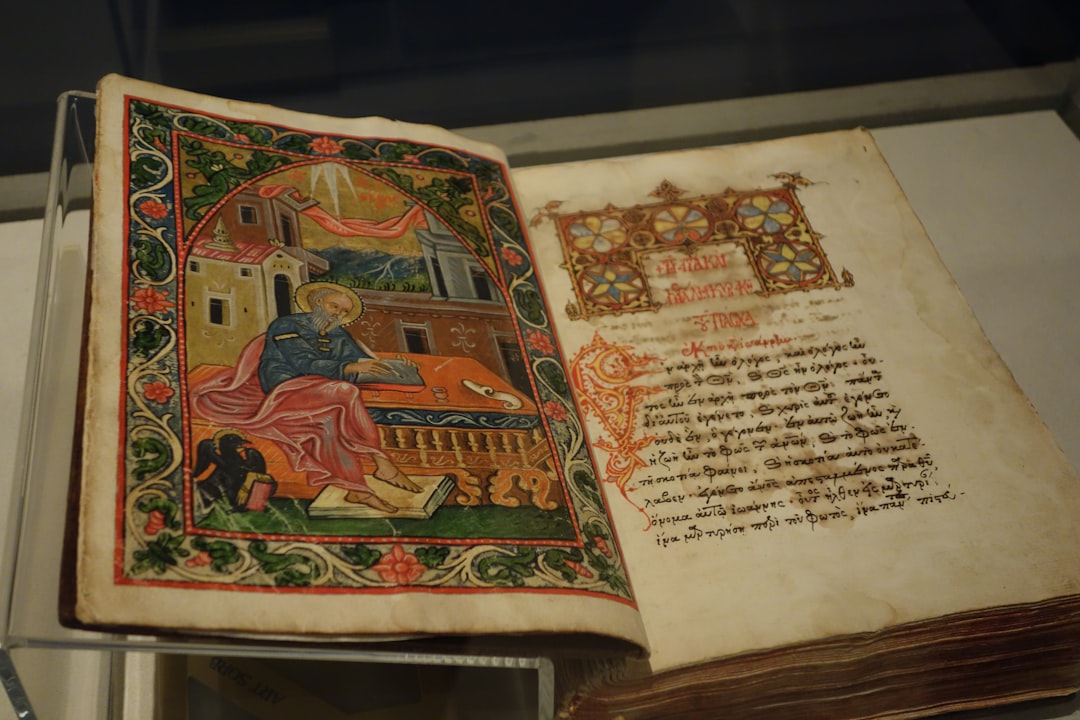
Private Devotion Goes Public
The Book of Hours represents one of the most significant shifts in medieval religious culture: the move from communal liturgical prayer to private, individual devotion. These books contained the Little Office of the Virgin Mary — a cycle of prayers to be recited at the eight canonical hours of the day — along with supplementary texts such as the Office of the Dead, the Penitential Psalms, and a liturgical calendar marking saints' feast days.
Unlike earlier liturgical manuscripts, which were produced exclusively for churches and monasteries, Books of Hours were designed for lay use. Their proliferation from the 13th century onward reflects a broader transformation in medieval spirituality: the rise of personal piety, the increasing literacy of lay elites, and the growing demand for objects that combined spiritual utility with conspicuous display of wealth and taste.
The Anatomy of a Book of Hours
A typical Book of Hours follows a standardized structure, though the specific contents varied according to regional liturgical use (the Use of Rome, the Use of Sarum, the Use of Paris) and the preferences of individual patrons. The core was always the Little Office of the Virgin, but many books included the Fifteen Joys of the Virgin, the Seven Sorrows, prayers to specific saints, and — most importantly for art historians — a calendar that recorded the owner's family feast days alongside the universal liturgical year.
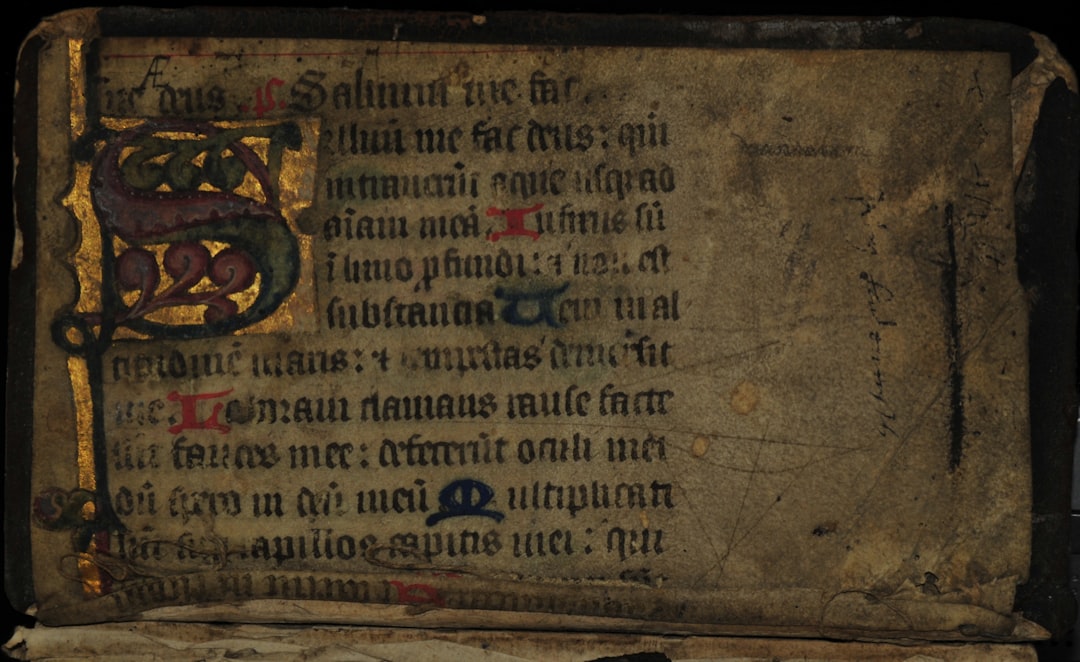
The calendar pages were often the most elaborately illuminated sections, featuring miniature paintings of the Labors of the Months and the Signs of the Zodiac — scenes of peasant labor and aristocratic leisure that provide invaluable documentary evidence of medieval daily life. The Tres Riches Heures du Duc de Berry (c. 1412-1416), illuminated by the Limbourg brothers, elevated this genre to unprecedented heights: its calendar miniatures combine meticulous observation of contemporary costume, architecture, and landscape with a poetic sensitivity to seasonal light and atmosphere that anticipates the naturalistic art of the Northern Renaissance.
Production and Patronage
By the 15th century, the production of Books of Hours had become a highly organized commercial enterprise, particularly in Paris and Bruges. Workshops employed teams of scribes, illuminators, and border painters who collaborated on standardized products that could be customized for individual patrons. The most luxurious commissions — such as the Hours of Jeanne d'Evreux (c. 1324-1328), illuminated by Jean Pucelle for the French queen — required the combined talents of multiple specialists and could take years to complete.
The market was remarkably broad. At the luxury end, a fully illuminated Book of Hours might cost the equivalent of several months' wages for a skilled artisan. At the lower end, simpler versions with minimal decoration were available to the growing urban middle class. The transition from manuscript to printed Books of Hours in the late 15th century — produced by publishers such as Antoine Verard in Paris — further democratized access and accelerated the decline of the manuscript tradition even as it preserved the devotional content.