Art Movements
Medieval art was not a single style but a succession of movements, each responding to the theological, political, and material conditions of its era.
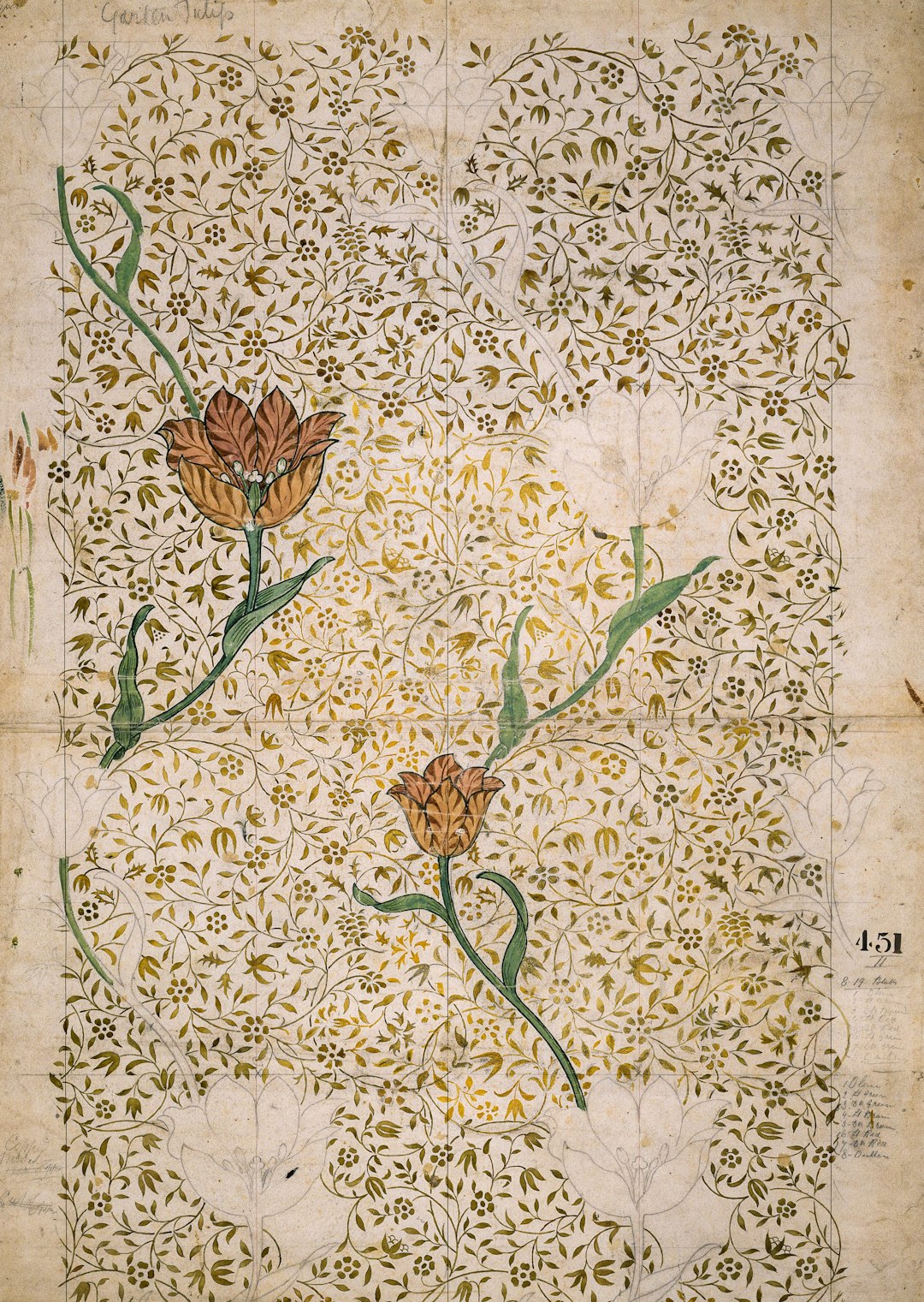
Early Christian Art (c. 200-500 CE)
The visual language of a persecuted faith — from Roman catacomb frescoes to the great basilicas.
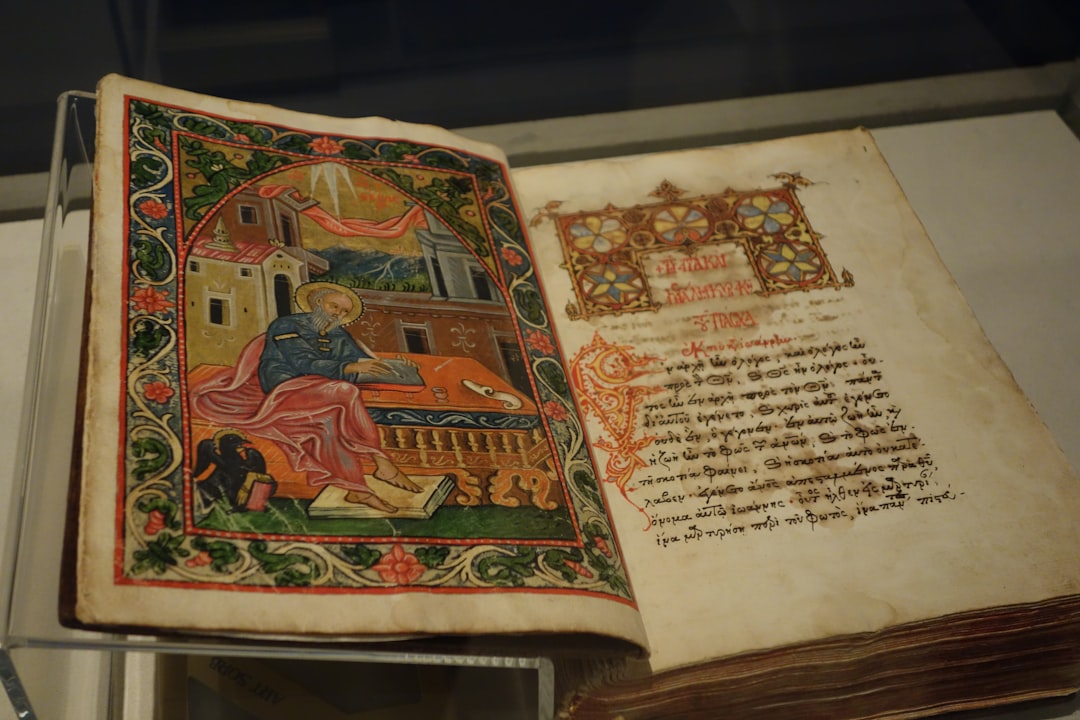
Byzantine Art (c. 500-1453)
Gold-ground icons and imperial mosaics — the aesthetic theology of the Eastern Roman Empire.
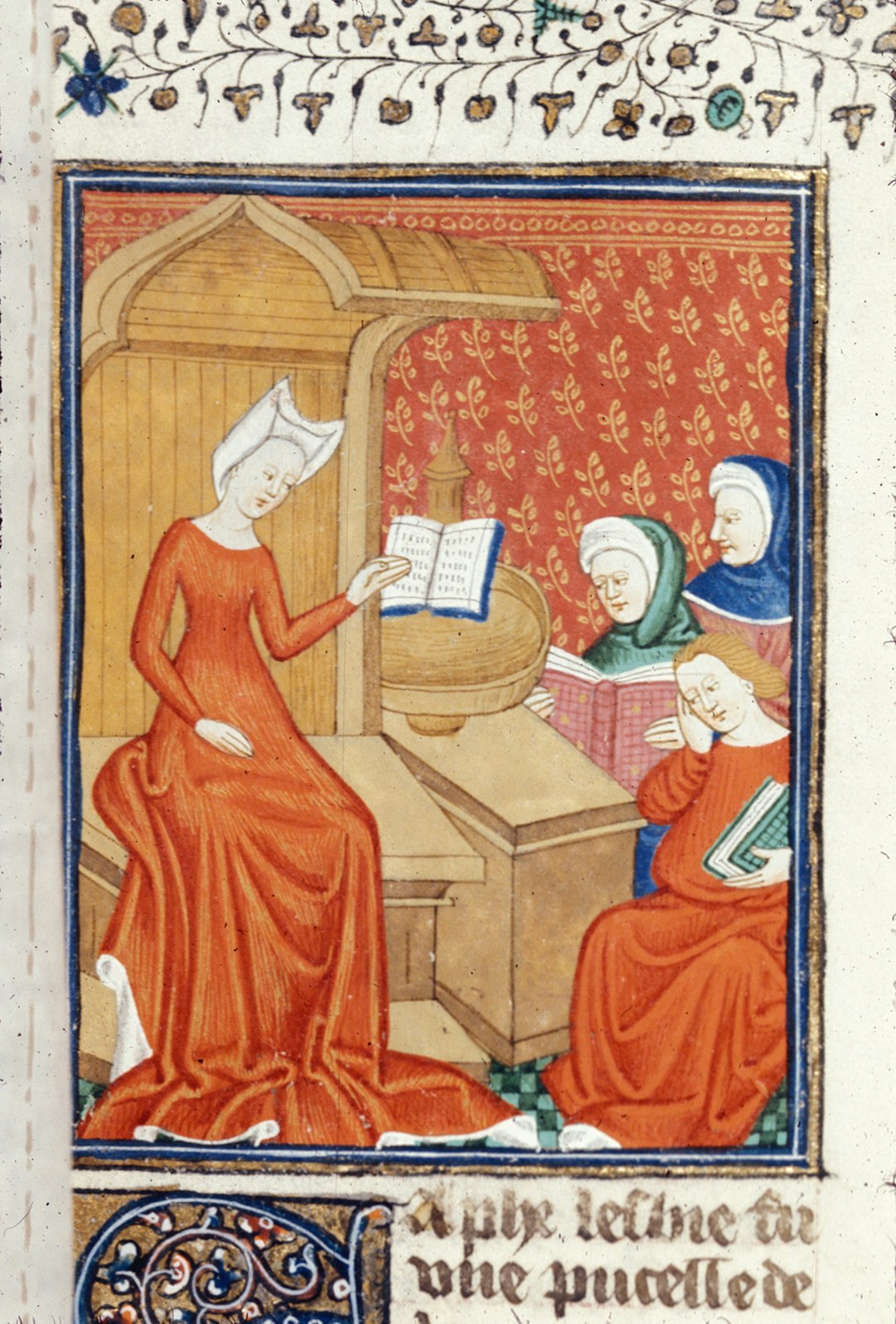
Carolingian Art (c. 750-900)
Charlemagne's cultural renaissance — the revival of classical forms in illuminated manuscripts.
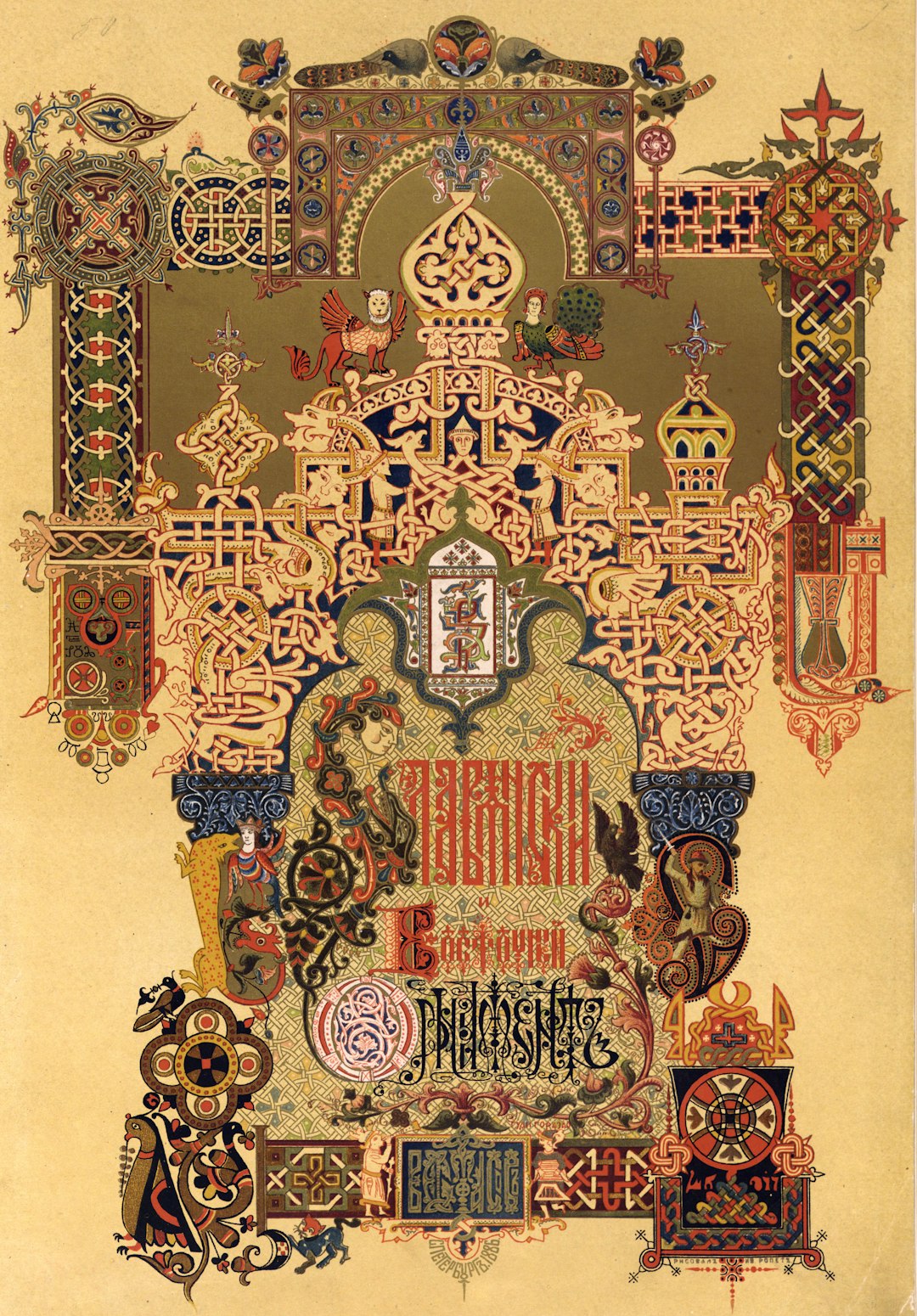
Romanesque Art (c. 1000-1200)
Massive stone churches and sculpted portals — the first international style of medieval Europe.
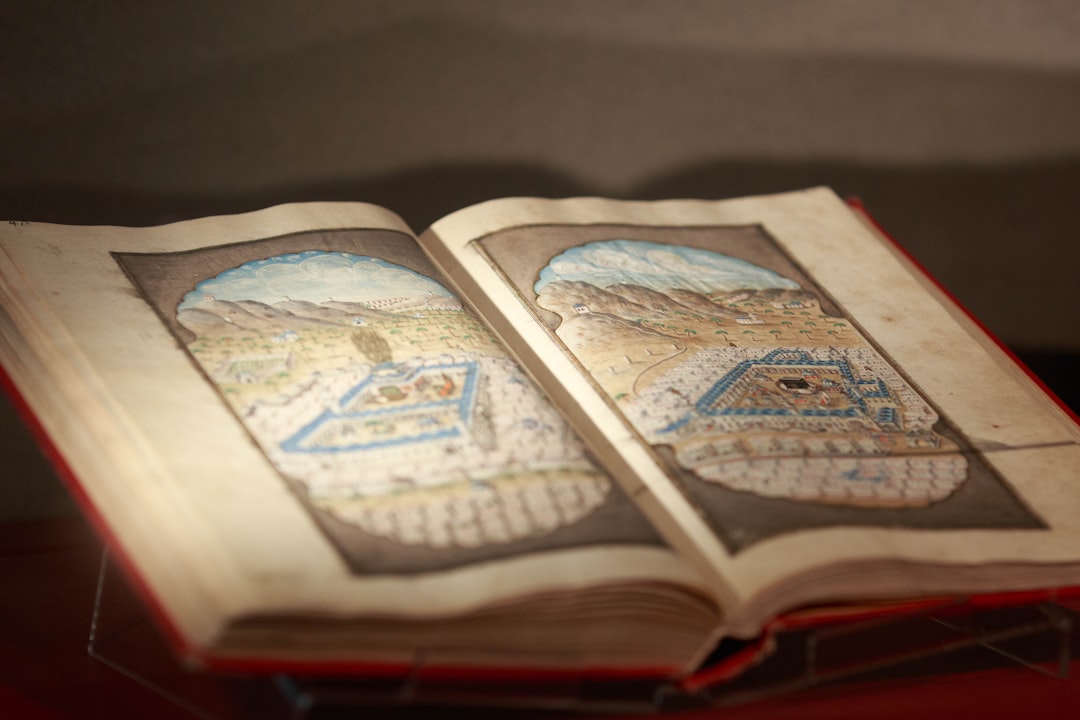
Gothic Art (c. 1140-1400)
Light as theology — the engineering revolution that produced ribbed vaults, flying buttresses, and luminous glass.
Related Sections
Frequently Asked Questions
› How many major art movements existed in the medieval period?
Art historians generally identify five major movements: Early Christian (200-500 CE), Byzantine (500-1453), Carolingian (750-900), Romanesque (1000-1200), and Gothic (1140-1400). These movements overlapped geographically and chronologically.
› What distinguishes one medieval art movement from another?
Each movement is defined by a combination of theological priorities, available materials, architectural innovations, and political context.
› Were these movements sequential or overlapping?
They overlapped significantly. Carolingian art occurred while Byzantine art flourished in the East. Romanesque and Gothic coexisted in different regions of Europe for decades.