Medieval Marginalia: The Subversive Art of Manuscript Doodles
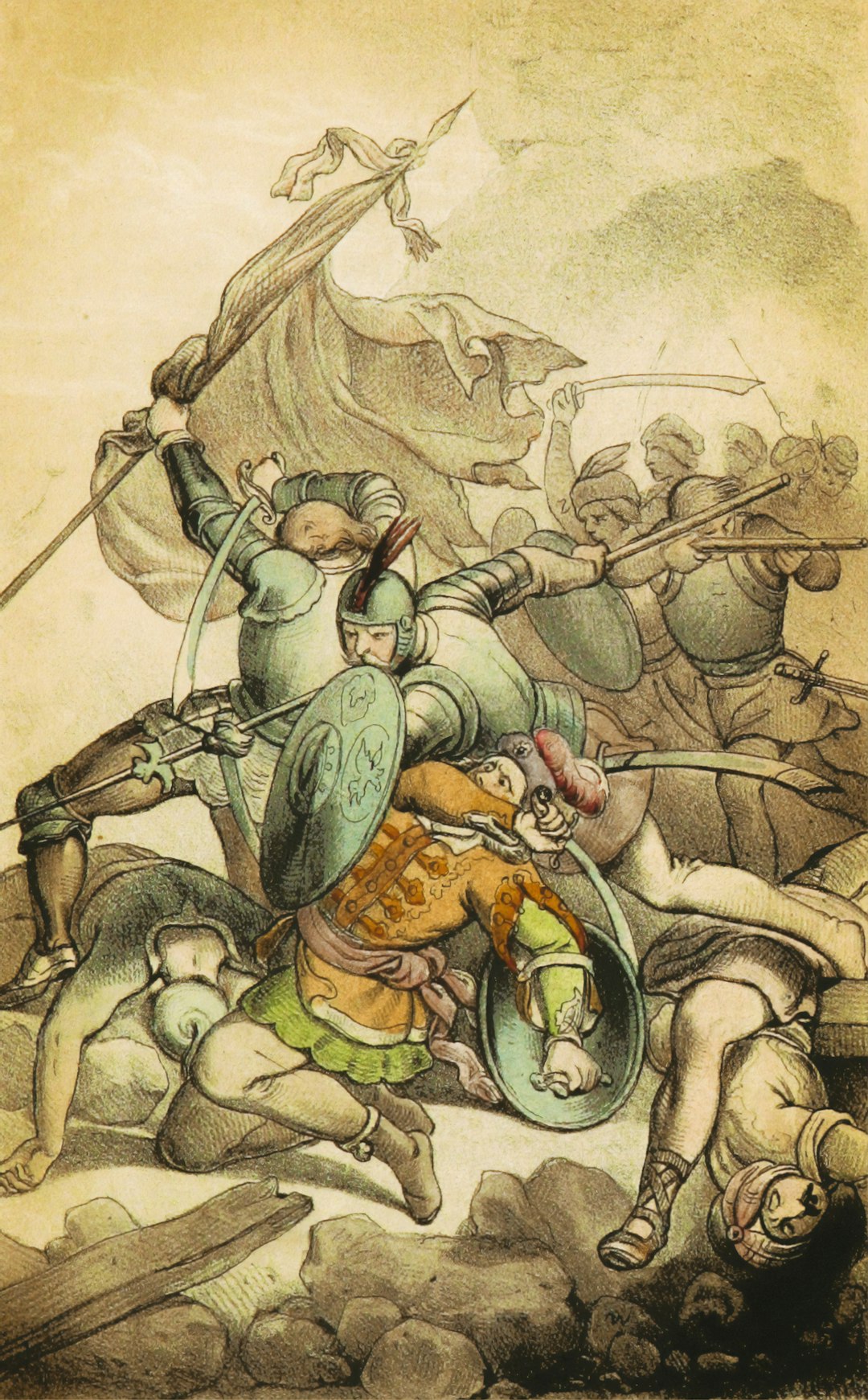
A World Upside Down
Open virtually any Gothic-period manuscript to its margins and you will encounter a parallel universe: rabbits behead their hunters, nuns pick giant phalluses from trees, snails duel armored knights, and monkeys play at mass. These images — collectively known as marginalia or drolleries — are among the most distinctive and perplexing achievements of medieval visual culture. They exist in a register entirely separate from the solemn theological programs of the main text and miniature paintings, inhabiting a space of licensed absurdity that scholars have struggled to categorize for over a century.
The most famous motif is undoubtedly the knight versus snail, which appears in dozens of manuscripts from the 13th and 14th centuries. The scene invariably shows an armed knight in full armor confronting a giant snail, often fleeing in terror or engaging in combat. Art historians have proposed numerous interpretations: the snail as a symbol of the Lombards (accused of usury and cowardice), as a representation of death and resurrection (the snail emerging from its shell paralleling Christ's resurrection), or as a visual parody of heroic chivalric literature — the most noble of warriors brought low by the slowest of creatures.
Functions and Meanings
The scholar Michael Camille, in his seminal work on Gothic marginalia, argued that these images operate within a logic of inversion: the world turned upside down, where the weak dominate the strong, the low mock the high, and animals behave as humans. This carnivalesque inversion served a social function — it provided a pressure valve for the anxieties and tensions of hierarchical medieval society by allowing them to be expressed in a safely fantastical register. The rabbit hunting the hound is not a literal proposal for social revolution but a visual joke that acknowledges the absurdity of power structures while ultimately reinforcing them through laughter.
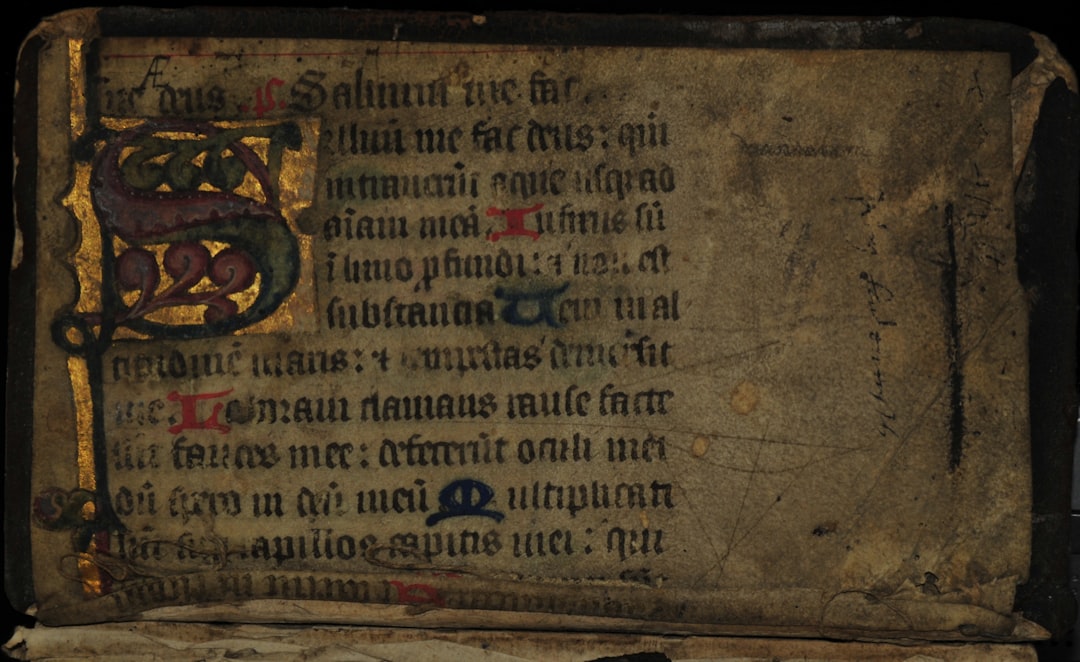
Not all marginalia is whimsical. Many manuscripts contain manicules — small pointing hands drawn in the margin — that serve as reading aids, marking passages the reader found significant. These practical annotations, sometimes in multiple hands from different centuries, provide a rare glimpse into how medieval and early modern readers actually engaged with texts. A single manuscript might accumulate dozens of manicules across centuries, each pointing to different passages and revealing shifting intellectual priorities.
The Insular Tradition
The tradition of elaborate marginal decoration has deep roots in the Insular manuscript art of the 7th and 8th centuries. The Lindisfarne Gospels, produced around 715 CE, features margins filled with dense interlace patterns, animal ornament, and stepped red dots that create a shimmering optical effect. These decorative margins were not frivolous but served a theological purpose: the infinite complexity of the interlace was understood as a visual meditation on the infinite complexity of divine creation. The transition from this sacred abstraction to the playful naturalism of Gothic drolleries represents one of the most striking transformations in the history of Western art — from a visual language that denied the particularities of the material world to one that embraced them with exuberant irreverence.