Gothic Art (c. 1140-1400)
The Theology of Light at Saint-Denis
Gothic art began as an architectural revolution driven by a theological idea. Abbot Suger of Saint-Denis (c. 1081-1151), influenced by the writings of Pseudo-Dionysius the Areopagite, believed that material beauty — particularly light — could serve as a medium for spiritual elevation. His reconstruction of the choir of the Abbey Church of Saint-Denis (begun 1137, consecrated 1144) created the first building to combine the pointed arch, ribbed vault, and flying buttress into a coherent structural system.
The pointed arch distributed weight more efficiently than the Romanesque round arch, allowing vaults to reach greater heights. The ribbed vault concentrated the structural load along defined lines rather than across entire surfaces. The flying buttress transferred the outward thrust of the vault to external supports, eliminating the need for massive load-bearing walls. The result was that walls could be opened up to admit vast expanses of stained glass, transforming the interior into a luminous environment of colored light that Suger described as "the wonderful and uninterrupted light of most luminous windows."
The Stained Glass Medium
Gothic stained glass was a technically demanding medium requiring the coordination of multiple specialized crafts. Glassmakers added metallic oxides to molten glass — cobalt for deep blue (the famous bleu de Chartres), copper for ruby red, manganese for purple, and iron for green. The cooled glass sheets were cut into shapes using a hot iron, details were painted with vitreous paint containing ground glass and iron oxide, and the pieces were assembled using H-section lead cames.
The stained glass programs of Gothic cathedrals functioned as comprehensive theological textbooks. The north transept rose window of Chartres Cathedral (c. 1220-1230), depicting the Virgin and Child surrounded by Old Testament kings and prophets, communicates the genealogy of Christ in a visual form accessible to congregants who could not read Latin texts. The iconic blue of the Chartres windows — a color that has never been successfully replicated — is achieved through the specific cobalt concentration and the particular thickness of the medieval glass.
Gothic Sculpture and the Humanization of the Sacred
Gothic sculpture gradually liberated the human figure from the stylized conventions of Romanesque art. The statues of the Royal Portal at Chartres (c. 1145-1155) retain the columnar attachment to architectural supports of their Romanesque predecessors, but introduce a new fluidity of drapery and a subtler treatment of facial expression. By the late 13th century, the sculpture of the north transept at Reims Cathedral (c. 1240-1275) achieves a degree of naturalism that approaches classical standards. The famous "Smiling Angel" of Reims displays a gentle expression of individualized emotion that would have been inconceivable in the Romanesque context.
The Smiling Angel, damaged during World War I bombing of Reims in 1914, became a symbol of the vulnerability of cultural heritage. Its restoration was undertaken with great care, and a replica was presented to the cathedral in the postwar period. The sculpture's significance extends beyond its aesthetic qualities — it represents the moment when medieval art rediscovered the individual human personality as a subject worthy of artistic attention.
International Gothic and the Dawn of Naturalism
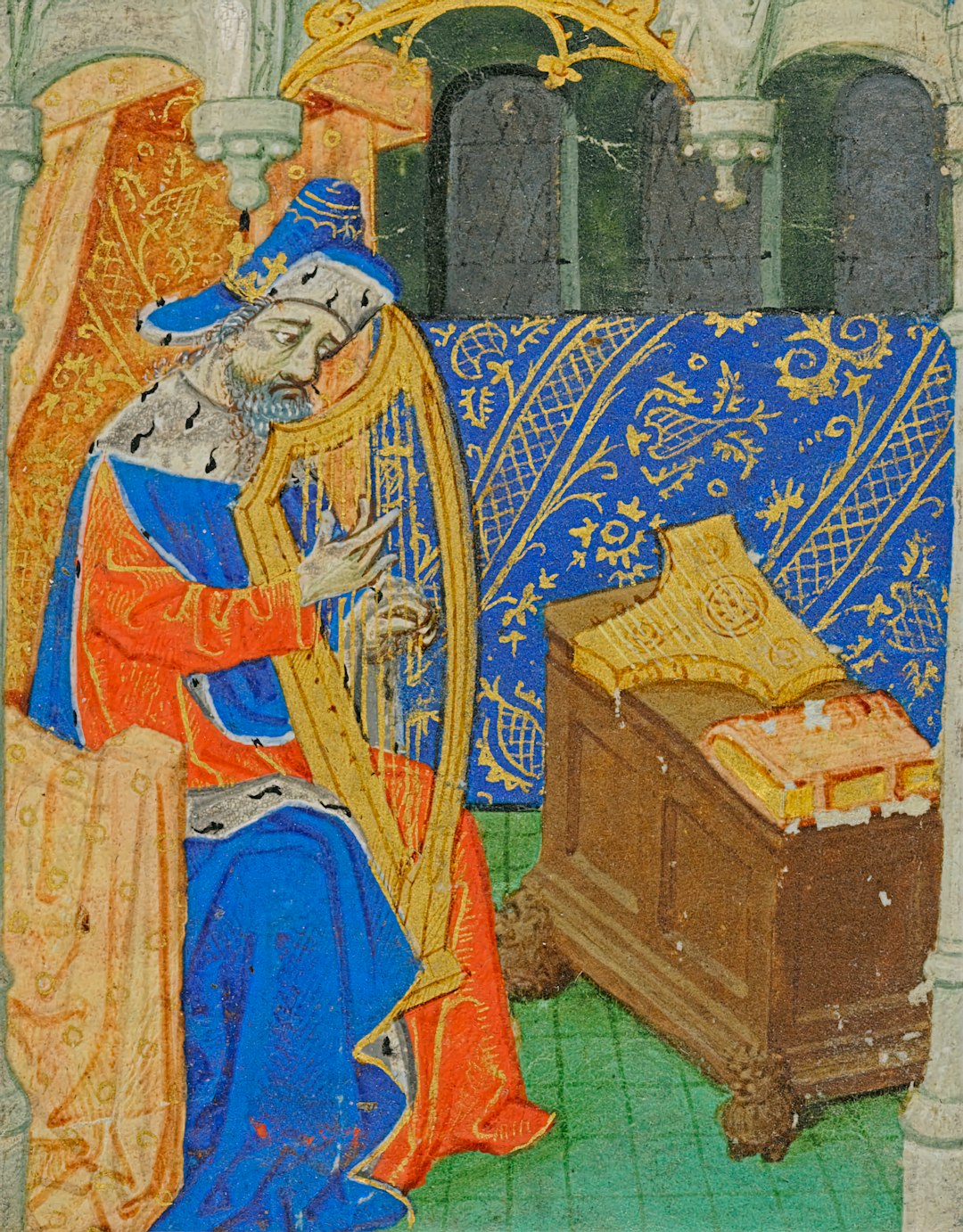
The International Gothic style (c. 1375-1425) was the final phase of Gothic art, characterized by elegant courtly figures, rich colors, meticulous naturalistic observation, and an increasing interest in depicting the visible world with accuracy. The Tres Riches Heures du Duc de Berry (c. 1412-1416), illuminated by the Limbourg brothers, combines religious iconography with detailed depictions of seasonal agricultural activities, castle architecture, and aristocratic costume.
The transition from Gothic to Renaissance art is most clearly visible in the work of Giotto di Bondone (c. 1267-1337), whose frescoes in the Scrovegni Chapel in Padua (c. 1305) introduced a revolutionary spatial coherence and emotional directness. Giotto's figures occupy a definable architectural space, their gestures and expressions communicate recognizable psychological states, and their physical presence has a weight and solidity that departs decisively from the ethereal elegance of International Gothic. The Gothic period laid the foundations for the Renaissance through a thousand years of technical and conceptual development.