Why Medieval Art Looks "Wrong"
The Modern Eye Meets Medieval Intent
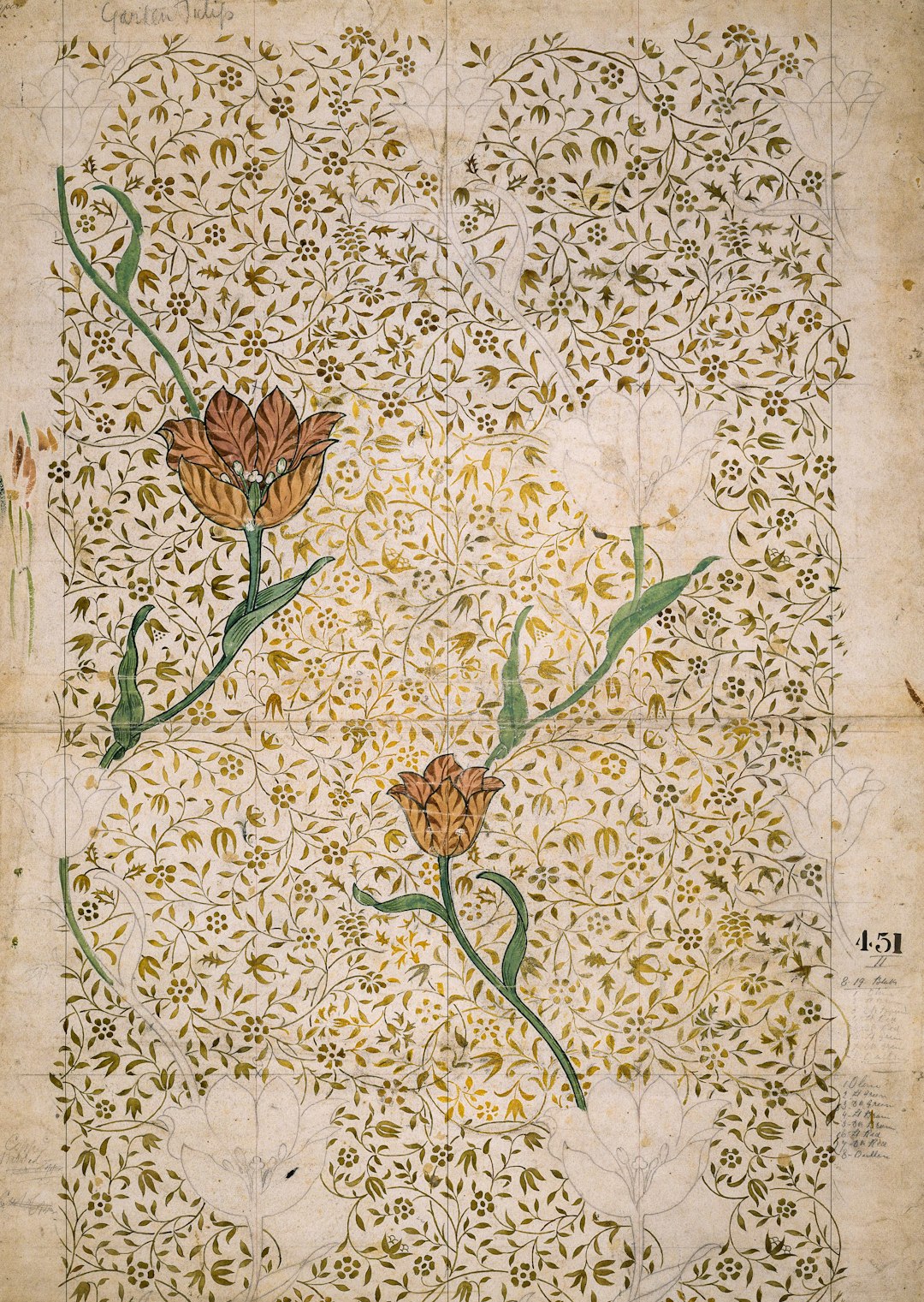
Modern viewers accustomed to Renaissance perspective and photographic realism often describe medieval art as "wrong" or "primitive." Figures appear flat and disproportionate, buildings tilt at impossible angles, and spatial relationships seem arbitrary. These observations are accurate descriptions of the visual evidence but inaccurate interpretations of the artist's intent.
Medieval art was not trying and failing to achieve naturalism. It was pursuing a different objective entirely: the communication of theological and symbolic meaning through visual conventions that had been carefully developed over centuries. The flattened space, hierarchical scaling, and frontal poses of medieval art are not errors but deliberate compositional choices.
Hierarchical Scaling and Theological Priority
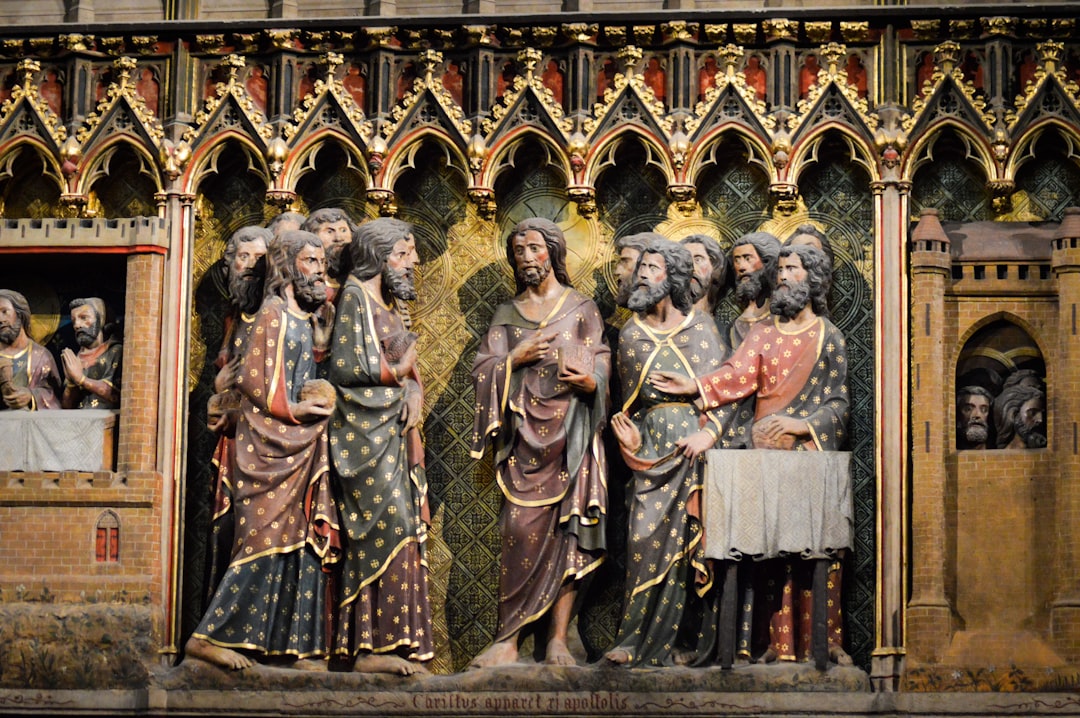
One of the most persistent features of medieval art is hierarchical scaling: the convention that the size of a figure indicates its spiritual importance rather than its physical distance from the viewer. In a Byzantine icon, Christ Pantocrator is enormous compared to the surrounding saints and angels not because he is closer to the picture plane but because he occupies the highest position in the cosmic hierarchy. This compositional logic is perfectly legible to a viewer who shares the theological framework but appears "wrong" to a modern viewer trained in the conventions of linear perspective.
What the Medieval Viewer Saw
The medieval viewer did not experience art as we do — as an object of aesthetic contemplation. A fresco on a church wall was not a painting to be admired but a theological text to be decoded. The composition of a Romanesque tympanum, with its dense narrative scenes arranged in registers rather than a unified spatial field, was designed to be "read" sequentially, much like the columns of a manuscript. The emotional charge of the image came not from its formal beauty but from its theological accuracy: did it correctly represent the sacred narrative in a form that the viewer could recognize and internalize?
From this perspective, medieval art is not "wrong" at all. It is simply operating under a different set of rules — rules that prioritize symbolic communication over visual fidelity, theological accuracy over anatomical precision, and devotional function over aesthetic autonomy. Understanding these rules transforms our experience of medieval art from one of bemused condescension to one of genuine appreciation for a visual language of extraordinary sophistication.