Romanesque Art (c. 1000-1200)
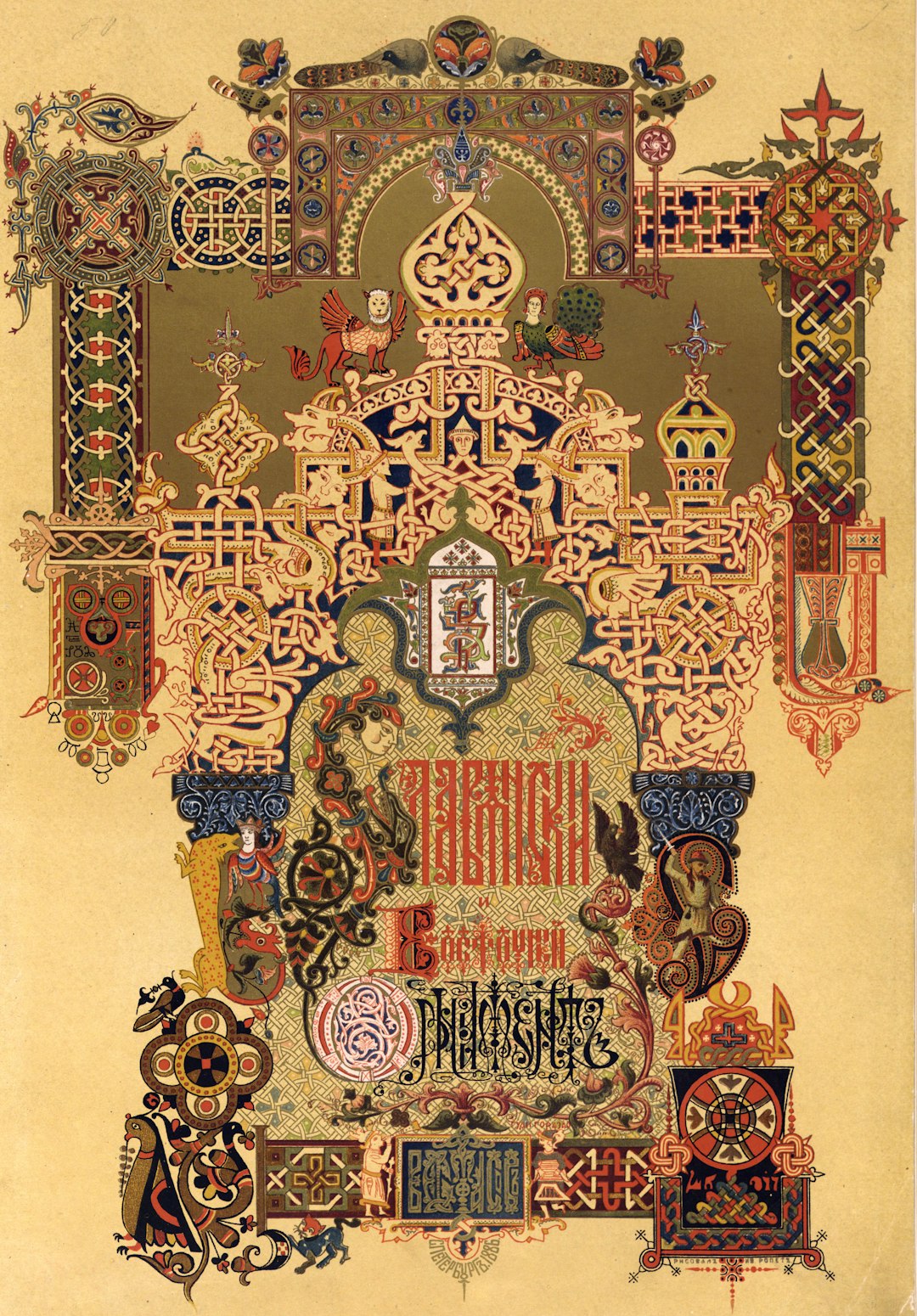
The First International Style
The term "Romanesque" was coined in the early 19th century to describe the architectural and artistic style that dominated Western Europe from approximately 1000 to 1200 CE. Unlike earlier medieval styles, Romanesque was genuinely international — found from Scandinavia to Sicily, from Ireland to the Holy Land. The common denominator was the revival of stone construction on a monumental scale, employing round-arched arcades, barrel and groin vaults, and thick load-bearing walls.
The style emerged in the context of the 11th-century reform movement: the Cluniac monastic expansion, the proliferation of pilgrimage routes (particularly to Santiago de Compostela), and the Norman conquests that brought Romanesque architecture to England, southern Italy, and the Crusader states. The pilgrimage church of Sainte-Foy at Conques, the abbey church of Saint-Sernin in Toulouse, and Santiago de Compostela itself represent a coherent building type: the pilgrimage church with ambulatory, radiating chapels, and an extended nave.
Sculpted Portals and the Last Judgment
The sculpted tympanum is the signature achievement of Romanesque art. The west portal of the Abbey Church of Sainte-Foy at Conques (c. 1120-1130) presents the Last Judgment in a composition of extraordinary narrative density. Christ enthroned in majesty occupies the central position, flanked by the Virgin Mary and Saint John the Baptist in intercessory poses. The saved are led toward the Heavenly Jerusalem on the left, while the damned are dragged toward Hell by demons on the right.
The Cathedral of Saint-Lazare at Autun (c. 1130-1140) features a tympanum signed by the sculptor Gislebertus. The Last Judgment here is distinguished by its emotional expressiveness: the saved display serene composure while the damned writhe in contorted poses of agony. The carving technique combines deep undercutting that creates strong shadows with a decorative surface treatment of parallel linear incisions that animate the stone surface. Gislebertus also produced historiated capitals for the interior of Autun, depicting biblical scenes in a style of remarkable narrative clarity.
Monumental Painting and the Catalan Frescoes
Romanesque mural painting survives most extensively in the churches of Catalonia, particularly those in the Vall de Boi. The frescoes of Sant Climent de Taull (now in the Museu Nacional d'Art de Catalunya, Barcelona) present a Christ in Majesty of exceptional power. The figure of Christ is rendered in a flattened, iconic style with large staring eyes and a rigid frontal pose, surrounded by the symbols of the Four Evangelists within mandorla frames. The color palette — dominated by earth reds, ochres, blues, and greens — is applied in broad flat areas with minimal shading.
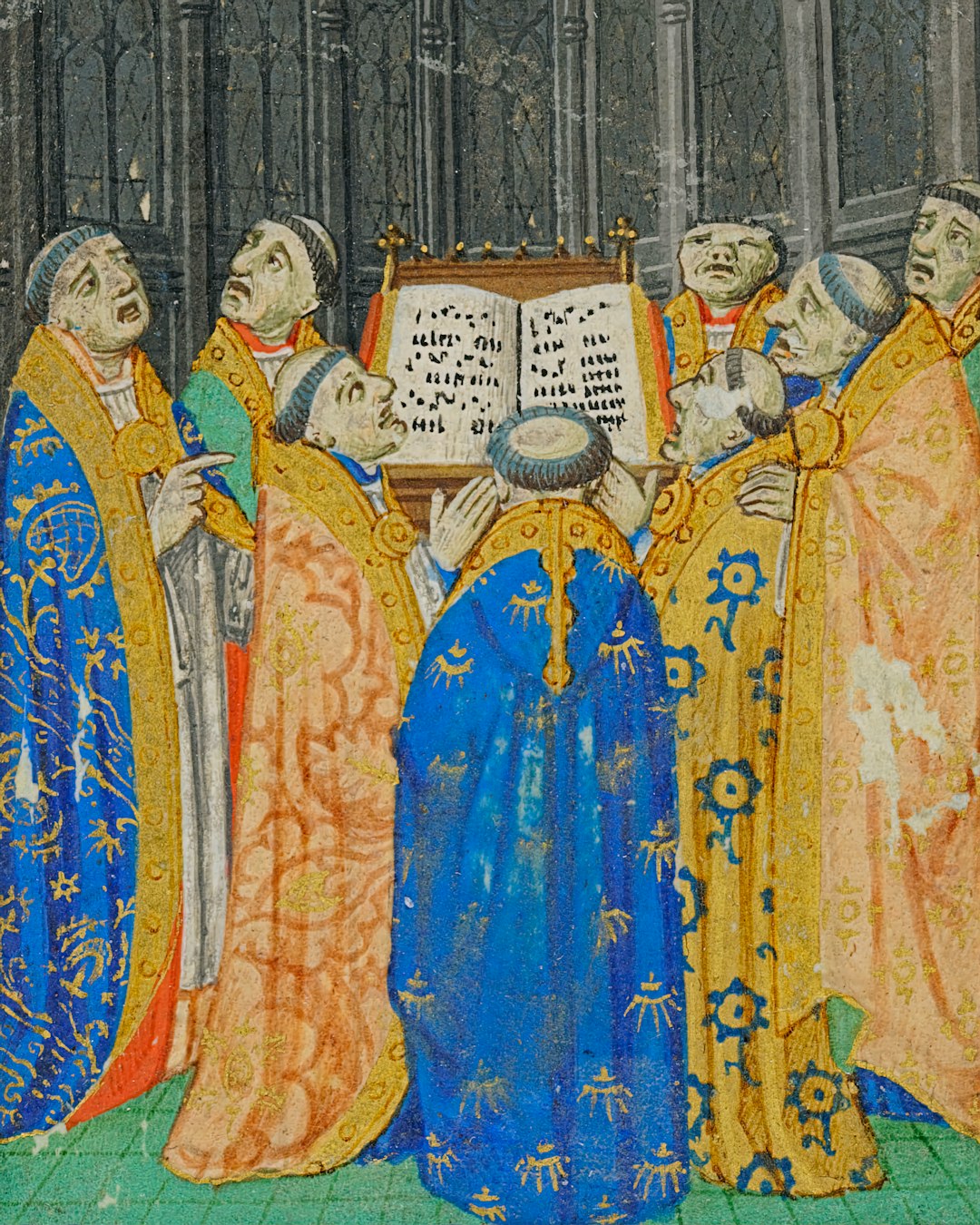
The stylistic sources of the Catalan Romanesque are complex. The iconographic program derives from Byzantine models, particularly the Maiestas Domini. However, the decorative treatment of the background — filled with geometric patterns, interlacing, and stylized floral motifs — owes much to Mozarabic and Islamic artistic traditions from the Iberian Peninsula.
Transition to Gothic
The transition from Romanesque to Gothic was not a sudden break but a gradual evolution that occurred over several decades in the Ile-de-France region. Abbot Suger's reconstruction of the Abbey Church of Saint-Denis (begun 1137) is traditionally identified as the first Gothic building, but the sculptures of the Royal Portal at Chartres Cathedral (c. 1145-1155) demonstrate that the sculptural language of the Romanesque was evolving toward greater naturalism and emotional subtlety. The elongated, columnar figures of the Chartres portal retain the hierarchical formality of Romanesque sculpture while introducing a new sense of individual presence and psychological interiority that would characterize the Gothic sensibility.