Ottonian Art (c. 900-1100)
Imperial Patronage and Sacred Authority
When Otto I was crowned Holy Roman Emperor in 962, he inherited the ideological legacy of Charlemagne and the practical authority of a Germanic king ruling over a fractured empire. The art produced under the Ottonian dynasty (919-1024) was explicitly designed to communicate this dual legitimacy: the Emperor as both temporal ruler and sacred figure, ordained by God to govern Christendom.
The most powerful visual statement of this ideology is the frontispiece of the Gospels of Otto III (Munich, Bayerische Staatsbibliothek, Clm 4453), created around 1000 at the Abbey of Reichenau. The young emperor sits enthroned between two columns, receiving a book from Christ, who appears in a mandorla above. The composition is deliberately frontal and hieratic, borrowing the ceremonial language of Byzantine imperial portraiture. Otto's gesture — receiving the book with both hands — parallels the gesture of the Virgin receiving Gabriel's message in contemporary Annunciation scenes, implicitly equating the Emperor's authority with divine revelation.
The Reichenau School
The Abbey of Reichenau on Lake Constance was the center of Ottonian manuscript illumination and, since 2000, a UNESCO World Heritage Site. The Reichenau scriptorium produced at least sixteen illuminated manuscripts of extraordinary quality during the late 10th and early 11th centuries, including the Gospels of Otto III, the Bamberg Apocalypse (Bamberg State Library, Msc.Bibl.140), and the Reichenau Gospels itself (Munich, Clm 4454).
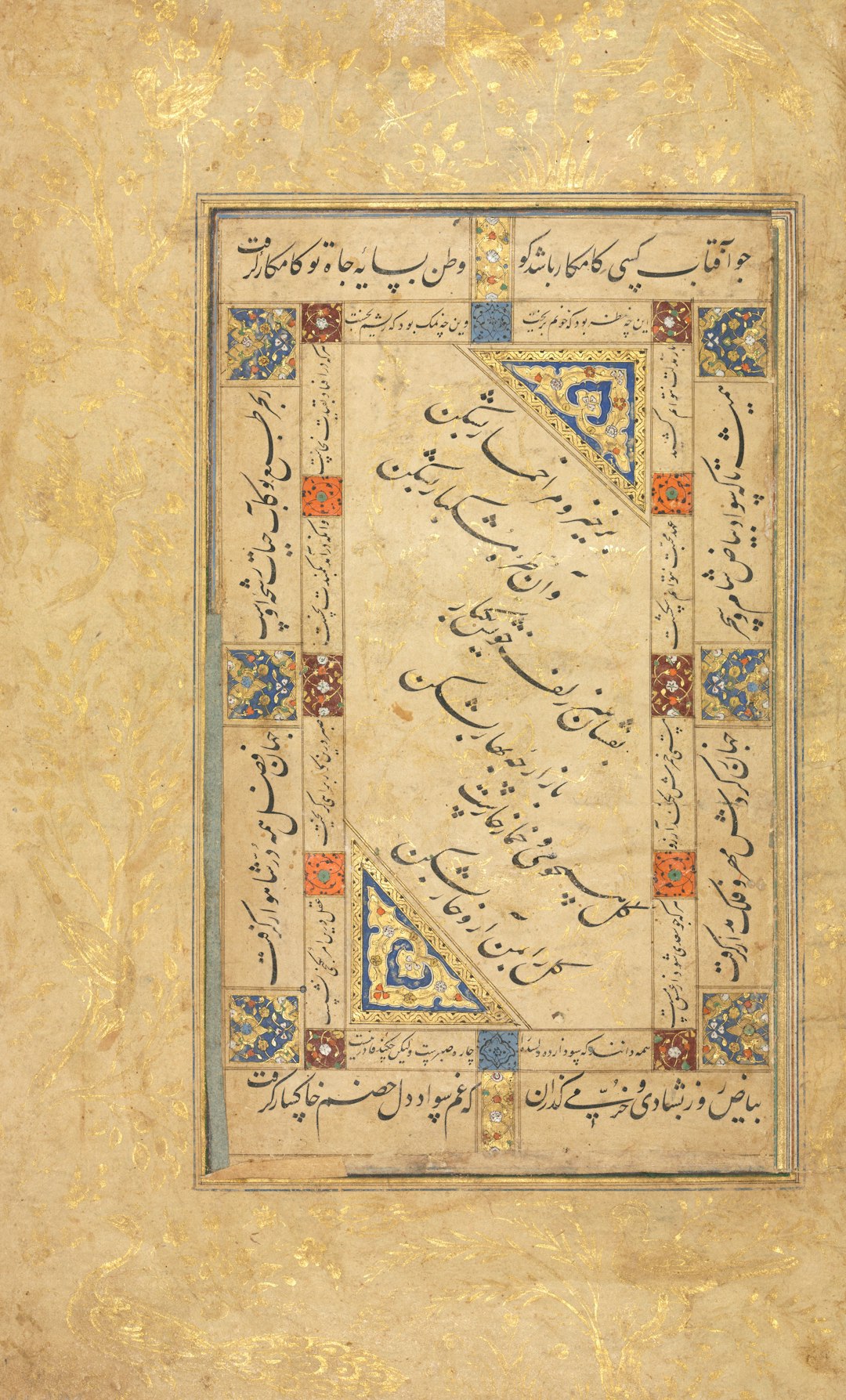
The Reichenau style is characterized by its intense expressiveness and bold use of gold. Figures are rendered with elongated proportions, large staring eyes, and dramatic gestures that anticipate the emotional intensity of Romanesque sculpture. The backgrounds are frequently solid gold — not merely gilded but constructed from sheets of hammered gold leaf applied to prepared panels — creating a luminous, otherworldly atmosphere that transforms the page into a vision of heavenly Jerusalem.
Metalwork and the Golden Altar
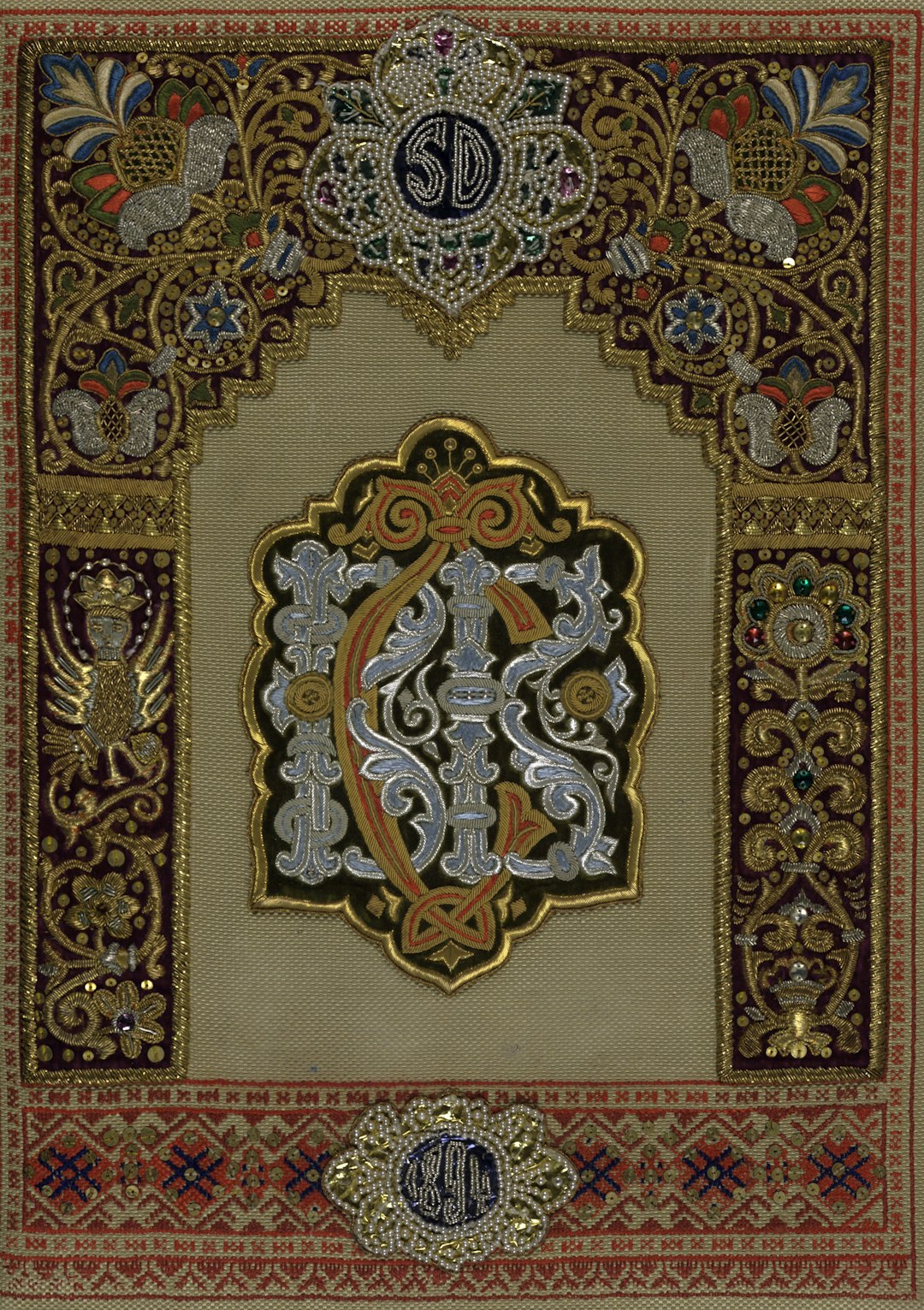
Ottonian goldsmithing reached extraordinary heights in the production of altar frontals, book covers, and liturgical vessels. The Golden Altar Frontal of Basel (Musée de Cluny, Paris), dating to c. 1020-1030, is one of the few surviving examples of Ottonian metalwork on a monumental scale. The altar frontal is constructed from gold panels repousse with scenes from the life of Christ, set with pearls, sapphires, emeralds, and garnets in cloisonne mountings.
The Ottonian period also saw the construction of the first major church of the Ottonian Romanesque — the Abbey Church of Saint Michael at Hildesheim (consecrated 1033). Its twin-apse design, wooden ceiling painted with the Tree of Jesse (the oldest surviving painted ceiling of the medieval period), and bronze doors cast using the lost-wax technique demonstrate the Ottonian synthesis of architectural ambition, sculptural innovation, and metallurgical mastery that would influence the Romanesque period that followed.