Our Story
History Canvass was founded with a simple conviction: the artistic achievements of the medieval period deserve the same accessible, engaging treatment that Renaissance and modern art receive in popular education. For too long, the centuries between the fall of Rome and the dawn of the Renaissance have been dismissed as a "dark age" — a characterization that historians have long rejected, yet one that persists in public understanding.
Our mission is to correct this imbalance. Through carefully researched articles, detailed artwork analyses, and comparative studies, we aim to introduce readers to the rich visual culture of medieval Europe and the Byzantine world. From the catacomb paintings of 2nd-century Rome to the stained glass of 15th-century France, every page of medieval history holds works of extraordinary technical skill and spiritual depth.
History Canvass is freely accessible because we believe art history should not be locked behind academic paywalls or limited to university classrooms. Whether you are a student writing a paper, a traveler preparing to visit Chartres or Ravenna, or simply someone who finds beauty in an illuminated manuscript page — this site is for you.
Our Mission
We are committed to three principles in everything we publish:
- Accuracy. Every article is grounded in peer-reviewed scholarship. We cite sources, distinguish between consensus and debate, and update content as new research emerges.
- Accessibility. We write for intelligent non-specialists. Technical terms are explained, historical context is provided, and no prior knowledge is assumed.
- Engagement. Medieval art is not just academically interesting — it is visually stunning, emotionally powerful, and sometimes darkly funny. Our content reflects that full range.
About the Editor
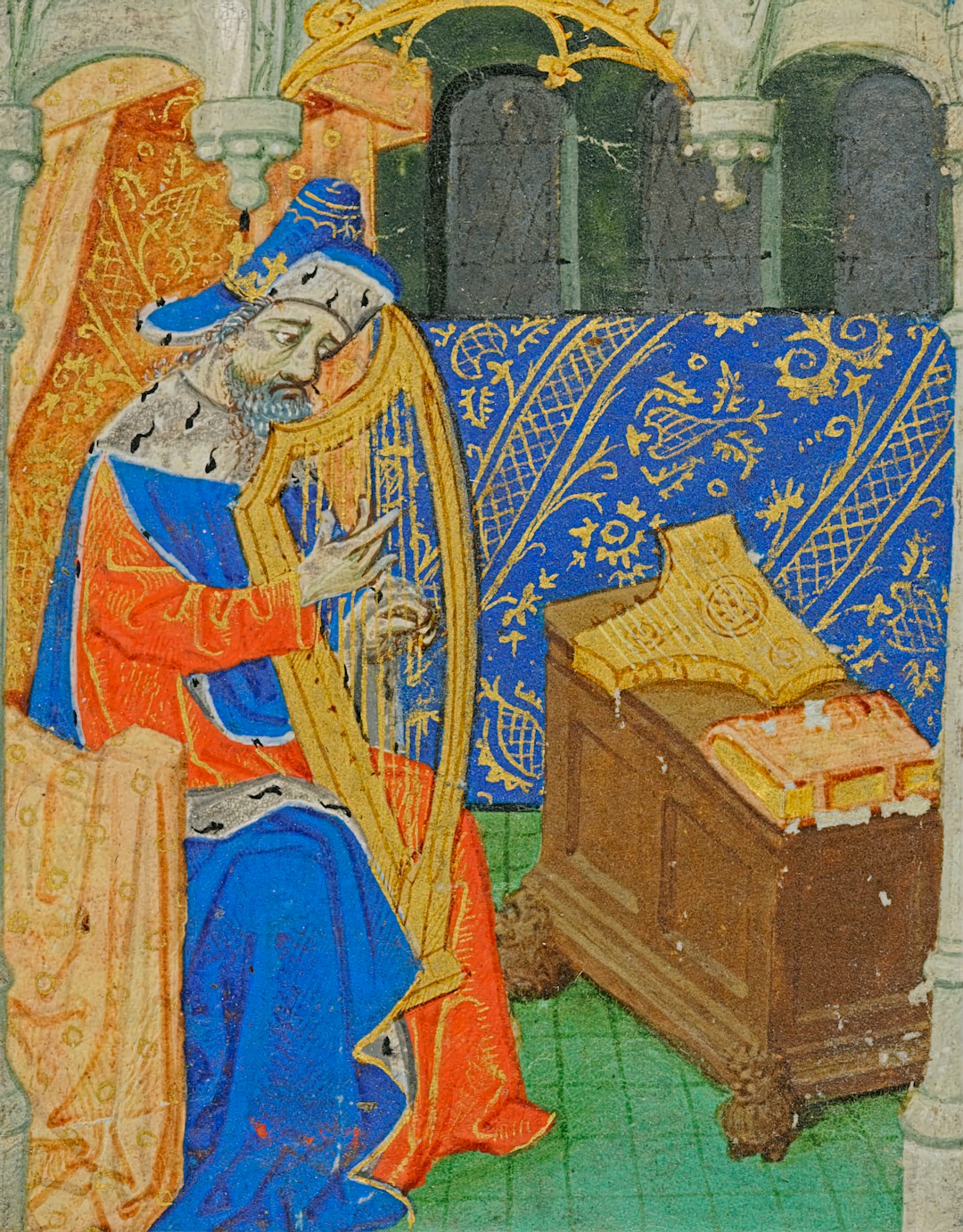
The editorial team at History Canvass brings together backgrounds in art history, medieval studies, and digital publishing. Our lead editor holds a degree in Art History with a specialization in medieval European art, having studied the development of visual culture from Late Antiquity through the Gothic period.
With years of experience in academic research and museum education, our team has visited many of the sites and collections we write about — from the Basilica of San Vitale in Ravenna to the Sainte-Chapelle in Paris. This firsthand experience informs our writing, allowing us to describe not only what artworks look like but how they feel to encounter in person: the way light filters through Chartres Cathedral's blue glass, or the overwhelming scale of a Romanesque nave.
Our approach to content creation follows the EEAT (Experience, Expertise, Authoritativeness, Trustworthiness) framework recommended by Google for informational content. Each article is researched using primary sources where available, supplemented by authoritative secondary literature from university presses and peer-reviewed journals. We avoid speculation and clearly distinguish between established facts and scholarly interpretation.
Team Credentials
Our contributors hold degrees and professional experience in the following areas:
- Medieval Art History
- Byzantine Studies
- Architectural History
- Manuscript Studies
- Museum Education
How We Work
Each article on History Canvass follows a consistent editorial process. Topics are selected based on their educational value and reader interest. Research draws from standard reference works (such as the Grove Dictionary of Art), recent scholarly publications, and museum catalog entries. Drafts are reviewed for factual accuracy, clarity of expression, and appropriate use of technical terminology.
All images on this site are sourced from public domain collections or used under fair use principles for educational commentary. Image captions include the artwork name, date, medium, and current location to support further research.
We welcome corrections, suggestions, and topic requests through our contact page. Every piece of reader feedback helps us improve the quality and scope of our coverage.