The Byzantine Empire and Its Artistic Legacy
When the Roman Emperor Constantine founded Constantinople (modern Istanbul) as the new capital of the Roman Empire in 330 CE, he set in motion a cultural tradition that would endure for more than a thousand years. The art of the Byzantine Empire — the name given by later historians to the medieval Eastern Roman Empire — represents one of the most distinctive and enduring artistic traditions in world history.
Byzantine art is inseparable from the Orthodox Christian faith. From its inception, it was conceived as a means of expressing theological truth through visual form. The Byzantine understanding of the image — articulated during the Iconoclast controversy of the 8th and 9th centuries — held that a sacred image could serve as a window to the divine, making the invisible visible to the faithful. This theological framework shaped every aspect of Byzantine artistic production, from the smallest enamel plaque to the vast mosaic programs that covered the domes and apses of great churches.
Architecture: The Dome and the Pendentive
Byzantine architecture is defined by the domed central-plan church, of which the Hagia Sophia (completed 537 CE) is the supreme achievement. Designed by the mathematicians Anthemius of Tralles and Isidore of Miletus under the direction of Emperor Justinian, the Hagia Sophia combined a massive central dome with a rectangular basilica plan through the innovative use of pendentives — spherical triangles that allowed a circular dome to rest on a square base.
The interior effect is one of suspended space and golden light. Procopius, the 6th-century historian, wrote that the dome appeared "not to rest on solid masonry, but to cover the space with its golden dome suspended from Heaven." This sensation of weightlessness and luminosity became the defining experience of Byzantine church architecture and influenced building traditions across the Mediterranean world, from Venice's St. Mark's Basilica to the great Ottoman mosques of Istanbul.
Iconography: The Theology of the Image
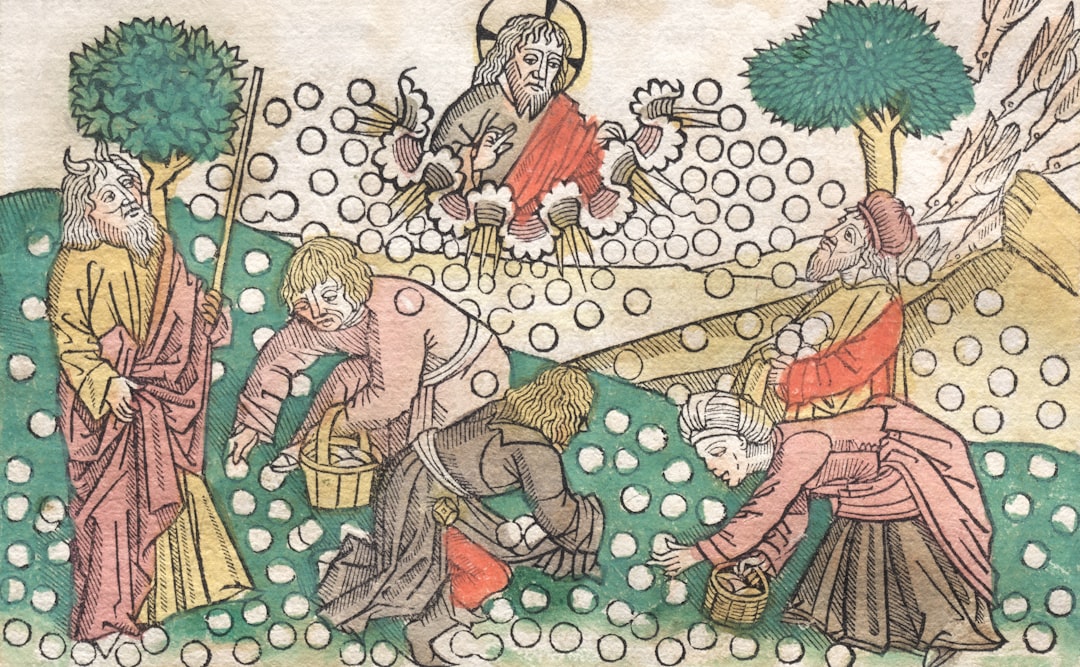
The icon — a painted panel depicting Christ, the Virgin Mary, or a saint — is perhaps the most recognizable form of Byzantine art. Icons were not merely decorative; they were understood as theological statements and instruments of devotion. The viewer did not simply look at an icon but through it, using the image as a focal point for prayer and contemplation.
Byzantine icons follow strict conventions that reflect their spiritual purpose. Figures are presented frontally, gazing directly at the viewer, creating an immediate and personal connection. The gold background eliminates any suggestion of earthly space, placing the figures in an eternal, heavenly realm. Proportions are stylized rather than naturalistic — elongated faces, large eyes, small mouths — emphasizing the spiritual nature of the subjects over their physical appearance.
The most important icon types include the Pantocrator (Christ as ruler of all), the Theotokos (the Virgin as Mother of God), and the various feast icons depicting scenes from the life of Christ and the Virgin. These types were codified over centuries and replicated across the Byzantine world with remarkable consistency.
The Iconoclast Controversy
Between approximately 726 and 843 CE, the Byzantine Empire was torn by the Iconoclast controversy. Emperors Leo III and Constantine V issued edicts prohibiting the veneration of religious images, arguing that such practices violated the biblical prohibition against graven images. Iconoclasts destroyed countless works of art and persecuted those who defended the use of icons.
The controversy was resolved in 843 CE at the Council of Constantinople, which affirmed the legitimacy of icons and established the Feast of Orthodoxy, still celebrated in the Orthodox Church. The theological defense of icons, articulated most clearly by St. John of Damascus, argued that since God became incarnate in Christ, it was legitimate to represent the divine in material form. This theological victory ensured the survival and continued development of the Byzantine artistic tradition.
Mosaics: The Art of Eternal Light
If icons are the most intimate form of Byzantine art, mosaics are its most public and magnificent. Byzantine mosaics, composed of glass, stone, and gold-leaf tesserae, covered the walls, vaults, and domes of churches, creating shimmering surfaces that seemed to dissolve the boundaries of solid architecture.
The great mosaic programs of Ravenna — a city that served as the Western capital of the Byzantine Empire in the 5th and 6th centuries — provide the most complete surviving examples of early Byzantine mosaic art. The Basilica of San Vitale (consecrated 547 CE) contains the famous panels of Emperor Justinian and Empress Theodora, accompanied by their courts. These mosaics are notable for their hierarchical composition, with the imperial figures placed at the center and flanked by increasingly smaller attendant figures. The use of gold tesserae creates a luminous background that isolates the figures from any earthly setting.
Later Byzantine mosaics, such as those in the Chora Church (Kariye Museum) in Istanbul (c. 1315–1321 CE), show a greater degree of naturalism and emotional expression while maintaining the essential characteristics of the Byzantine style. The Deesis mosaic in Hagia Sophia, with its subtle modeling of Christ's face and the tender expressions of the Virgin and St. John the Baptist, represents the emotional intensity achievable within the constraints of the Byzantine tradition.
Illuminated Manuscripts
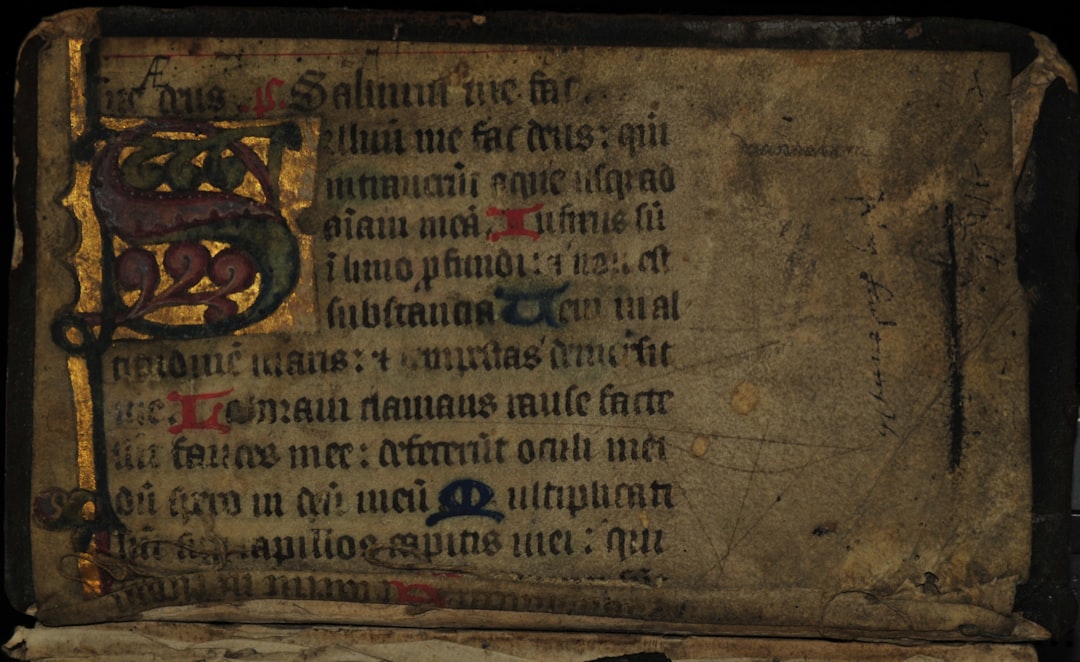
Byzantine illuminated manuscripts represent another major branch of the artistic tradition. Unlike the more elaborate and decorated Western manuscripts, Byzantine book illumination tends to be more restrained, with painted miniatures set within the text rather than overwhelming the page. Important examples include the Paris Psalter (10th century), with its classicizing figure style, and the Homilies of Gregory Nazianzus (9th century), preserved in the Bibliothèque nationale de France.
Byzantine manuscript illumination influenced artistic traditions far beyond the empire's borders. The art of Kievan Rus' (the medieval state that preceded Russia, Ukraine, and Belarus) was fundamentally shaped by Byzantine models, and this influence persisted long after the fall of Constantinople in 1453.
Characteristics of Byzantine Art
- Gold backgrounds: Gold tesserae in mosaics and gold leaf in paintings represent divine light and the heavenly realm, removing subjects from earthly context.
- Frontality: Figures face directly forward, engaging the viewer and creating a sense of spiritual presence rather than narrative action.
- Hierarchical composition: The most important figures are placed centrally and depicted larger than surrounding figures, reflecting spiritual rather than physical hierarchy.
- Spiritual transcendence over naturalism: Byzantine artists deliberately avoided naturalistic representation in favor of stylized forms that emphasized the spiritual nature of their subjects.
- Conservative style: The Byzantine tradition maintained remarkable continuity over more than a thousand years, with only gradual stylistic changes.
- Integration of art and liturgy: Byzantine art was designed to function within the context of Orthodox worship, with images arranged to complement the liturgical use of church space.
Related Reading
- → The Dome of Heaven: How Hagia Sophia Changed Architecture Forever — The story of Byzantium's greatest architectural achievement.
- → Early Christian Art (2nd–6th Century) — The artistic foundations from which Byzantine art emerged.
- → East Meets West: Byzantine and Gothic Art Compared — A side-by-side comparison of two great medieval traditions.
- → Gothic Art (12th–15th Century) — The Western European counterpart to Byzantine artistic achievement.
Frequently Asked Questions
References
Cormack, Robin. Writing in Gold: Byzantine Society and Its Icons. Oxford University Press, 1985.
Evans, Helen C., and William D. Wixom, eds. The Glory of Byzantium: Art and Culture of the Middle Byzantine Era, A.D. 843–1261. Metropolitan Museum of Art, 1997.
Grabar, André. Iconoclasm and Iconophilia. Faber & Faber, 1975.
Krautheimer, Richard. Early Christian and Byzantine Architecture. 4th ed., Yale University Press, 1986.
Onians, John. Abstraction and Imagination in Late Antiquity. Art History, vol. 3, no. 1, 1980, pp. 1–24.